
"malic acid"
600 article(s) found

A brief introduction to the planting Market Price of Panamanian Fine Coffee Bean varieties with lively fragrance
Mild malic acid and velvet texture, creamy and sweet aftertaste country: Panama Panama Manor: Hartman border rose summer Hartmann La Frontera treatment: sun Natural variety: rose summer Gesha cup test flavor: 92 (flower, sweet orange, pineapple, pineapple, vanilla, lively flavor) Panama famous producing areas, multiple contestants compete with beans Hartmann
General knowledge of coffee bean baking equipment and roasting theory of coffee beans
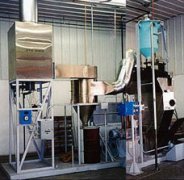
In addition to the degree of baking is divided into factions, even the roaster also has a family view. At present, there are two major professional roasters, one is the traditional rolling furnace (Drum Roaster), and the other is the newly developed hot gas furnace (Air Roaster). The former is heated by gas across the bottom of the furnace, while the metal blades in the furnace keep stirring the beans, while the latter bakes the beans with high-temperature hot air flow.

Guatemala Euro Rule Agua Durce how to make hand-made Coffee Ice _ Agua Durce Coffee good
Professional coffee knowledge exchange more coffee bean information please follow the coffee workshop (Wechat official account cafe_style) full name: Guatemala SHB EP Agua Dulce Manor / exporter: Huehuete nango harvest time: November March altitude: 1400M1700M moisture: 12.3% treatment: washing season: 2016 cup test information: green malic acid, flower scent, honey,

Detailed analysis of carbohydrates in coffee beans
★ moisture: the water content of coffee beans varies greatly with different processing stages and products. The moisture content of wet coffee beans with film is about 50%, while that of dried raw coffee beans is about 10%-13%, and that of roasted coffee beans is only less than 5%. The existence of water in coffee beans is the same as other kinds of food and beverages, because it contains a considerable amount of hydration colloid macromolecules.
Introduction to the main points of coffee roasting knowledge: coffee bean roasting theory (3)
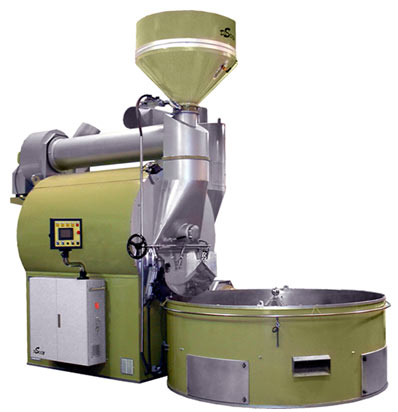
In addition to the degree of baking is divided into factions, even the roaster also has a family view. At present, there are two major professional roasters, one is the traditional rolling furnace (Drum Roaster), and the other is the newly developed hot gas furnace (Air Roaster). The former is heated by gas across the bottom of the furnace, while the metal blades in the furnace keep stirring the beans, while the latter bakes the beans with high-temperature hot air flow.

Theoretical roasting of coffee beans and the relationship between roasting and high-quality acid effect of inferior chlorogenic acid on coffee quality
In addition to the degree of baking is divided into factions, even the roaster also has a family view. At present, there are two major professional roasters, one is the traditional rolling furnace (Drum Roaster), and the other is the newly developed hot gas furnace (Air Roaster). The former is heated by gas across the bottom of the furnace, while the metal blades in the furnace keep stirring the beans, while the latter bakes the beans with high-temperature hot air flow.
According to the classification of professional roasters, what are the different baking methods for different roasters?
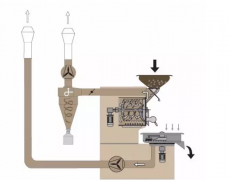
In addition to the degree of baking is divided into factions, even the roaster also has a family view. At present, there are two major professional roasters, one is the traditional rolling furnace (Drum Roaster), and the other is the newly developed hot gas furnace (Air Roaster). The former is heated by gas across the bottom of the furnace, while the metal blades in the furnace keep stirring the beans, while the latter bakes the beans with high-temperature hot air flow.

Detailed Analysis of the components of Fine Coffee
★ moisture: the water content of coffee beans varies greatly with different processing stages and products. The moisture content of wet coffee beans with film is about 50%, while that of dried raw coffee beans is about 10%-13%, and that of roasted coffee beans is only less than 5%. The existence of water in coffee beans is the same as other kinds of food and beverages, because it contains a considerable amount of hydration colloid macromolecules.
Detailed Analysis of the components of Fine Coffee Bean
★ moisture: the water content of coffee beans varies greatly with different processing stages and products. The moisture content of wet coffee beans with film is about 50%, while that of dried raw coffee beans is about 10%-13%, and that of roasted coffee beans is only less than 5%. The existence of water in coffee beans is the same as other kinds of food and beverages, because it contains a considerable amount of hydration colloid macromolecules.

The coffee quality of Yega Xuefei is relatively stable, the highest grade of ECX Biloya Cooperative G1.
Professional barista exchange please follow the coffee workshop (Wechat official account cafe_style) product name: Ethiopia Sun Yega Sheffield G1 Biloya Cooperative (Ethiopia Natural Yirgacheffe Biloya Coop G1) flavor description: a combination of berries, honey, fragrant cheese, sweet peaches, malic acid, fruit wine aftertaste, peach sweet, lingering aftertaste. Country of origin

Knowledge about coffee beans in various producing areas of the world: description of the producing areas and flavors of fine coffee in the world
Rose summer variety (Geisha) Panama (Geisha): strawberry (strawberry), jasmine (jasmine floral), mint (bergamot), caramel (caramelly), chocolate (chocolate), grapefruit (grapefruity), plum (plum), citrus (citrus-orange) Costa Rica (Geisha): sweet flower (sweet floral), jasmine (ja)

How do you drink the coffee beans you bought? No matter how it changes, it's fine.-Guatemala of Guatemala.
How do you drink the coffee beans you bought? The size of Guatemala Guatemala is only three times larger than that of Taiwan, but it is rich in natural resources, which makes the Guaguo coffee very amorous. The common tonality is elegant and lively, clean, well-organized, with green malic acid, jasmine, orange peel, green pepper, cocoa, and some finishes with strong smoke flavor.
The composition of coffee fruit and coffee beans what is the reason why coffee is bitter? Caffeine content of coffee beans
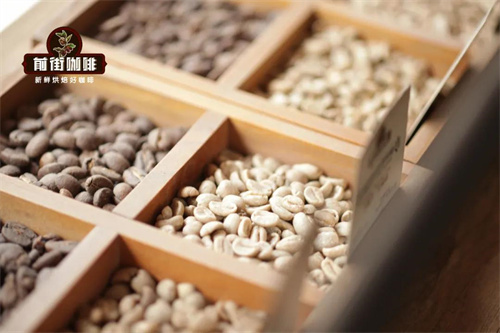
Professional coffee knowledge exchange more coffee bean information Please follow the coffee workshop (Wechat official account cafe_style) after reading the title, some friends began to wonder: coffee fruit and coffee beans are not the same thing? Yes, the relationship between the two is like a mother and a son. Coffee beans come from the core of a coffee fruit. This is a coffee fruit.

Caffeic acid Caffeic acid is not equal to coffee
On June 24, 2013, People's Daily published an article revealing the PX project: its carcinogenicity is at the same level as coffee. According to international standards, PX is not a dangerous chemical and is a possible carcinogen like the coffee we drink. IARC's assessment of the risk of human cancer caused by chemicals is currently recognized as authoritative data. Interestingly, in its list of five carcinogens, the name of coffee appeared in 1991.
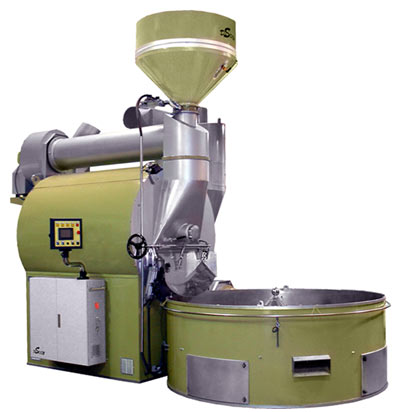
Roasting techniques for the treatment of raw coffee beans: coffee bean roasting theory (3) detailed introduction
In addition to the degree of baking is divided into factions, even the roaster also has a family view. At present, there are two major professional roasters, one is the traditional rolling furnace (Drum Roaster), and the other is the newly developed hot gas furnace (Air Roaster). The former is heated by gas across the bottom of the furnace, while the metal blades in the furnace keep stirring the beans, while the latter bakes the beans with high-temperature hot air flow.

Juice Taste Panama Hartman Estate Fine Coffee Bean Planting Location Climate Elevation
Flavor Description: Berry, Litchi Aroma, Medium Malic Acid, Medium Juice Texture, Berry Tone, Grape, Apricot, Chocolate Manor: Panama Hartman Manor Honey Processing Country of Origin: Panama Origin: Volcan Variety: Arabica Altitude: 1260-1500Meters Processing: Honey Processing Flavor Description: Dark Chocolate, Dark Fruit Aroma, Bright

Litchi aroma of Panama Hartman Estate Fine coffee beans cultivation Location Climate Elevation
Estate: Panama Hartman Estate Wine Treatment Country of Origin: Panama Region: Volcan Variety: Arabica Altitude: 1260-1500Meters Treatment: Wine Treatment winey Flavor Description: Berry, Litchi Aroma, Medium Malic Acid, Medium Juice Texture, Berry Tone, Grape, Apricot, Chocolate Estate: Panama Hartman Estate Honey Treatment
Knowledge of high-quality coffee beans detailed analysis of the components of coffee beans
★ moisture: the water content of coffee beans varies greatly with different processing stages and products. The moisture content of wet coffee beans with film is about 50%, while that of dried raw coffee beans is about 10%-13%, and that of roasted coffee beans is only less than 5%. The existence of water in coffee beans is the same as other kinds of food and beverages, because it contains a considerable amount of hydration colloid macromolecules.

A brief introduction to the History and Culture of the Origin and Development of Fine Coffee beans in the fragrant Manor of Nicaragua
Nicaragua is located in central Central America, bordered by the Pacific Ocean to the west and the Caribbean Sea to the east. The highlands in the north and the coastal plains in the east are part of the Central American volcanic belt. The eastern plain is high-temperature and rainy, with a tropical maritime climate. The suitable climate provides an excellent growth environment for the cultivation of coffee. High-quality Nicaraguan coffee, grown in the north and middle of the country. Coffee is Ni.

Detailed analysis of the ingredients of coffee beans what are the ingredients in a coffee bean?
★ moisture: the water content of coffee beans varies greatly with different processing stages and products. The moisture content of wet coffee beans with film is about 50%, while that of dried raw coffee beans is about 10%-13%, and that of roasted coffee beans is only less than 5%. The existence of water in coffee beans is the same as other kinds of food and beverages, because it contains a considerable amount of hydration colloid macromolecules.